20 Best Hairband Hairstyle Ideas for Every Hair Type
Sometimes, all your hair needs is one cute accessory to look instantly put together. A hairband hairstyle can turn loose waves, ponytails, braids, buns, or straight hair into a fresh and stylish look without making your morning routine feel like a full workout.
Hairband hairstyle ideas work for school, work, parties, casual days, and even special events.
You can choose a simple fabric hairband for everyday wear or a pearl, satin, or jeweled style when you want something a little more polished.
I love how easy this trend feels because you can change the whole mood of your hair just by switching the hairband.
Keep the hair loose for a soft look, or pair the accessory with a neat ponytail or bun when you want your style to stay in place.
1. Straight Hair with Hairband
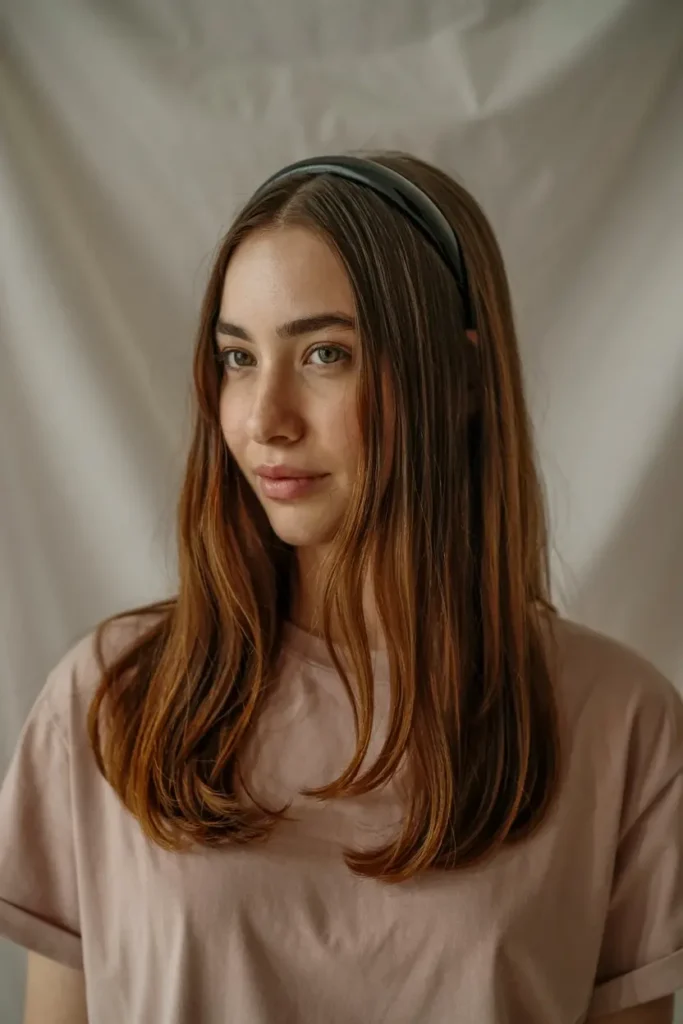
Straight hair looks clean and polished with a simple hairband, which makes this style easy for busy mornings.
I love how the accessory adds a little detail without taking away from the smooth finish, making it great for school, work, or casual outings.
Choose a slim hairband for a simple look or a padded one for more impact. Brush the hair neatly, place the band a little behind the hairline, and smooth any flyaways with a small amount of styling cream.
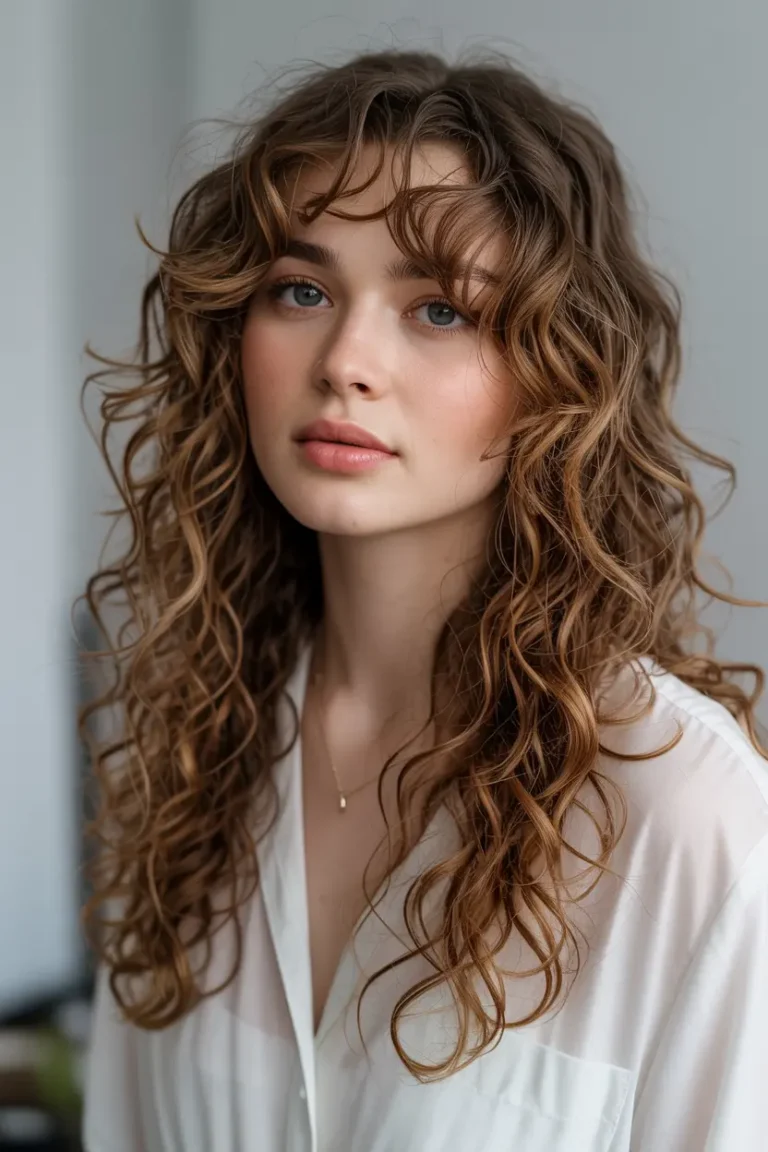
2. Curly Hair with Hairband
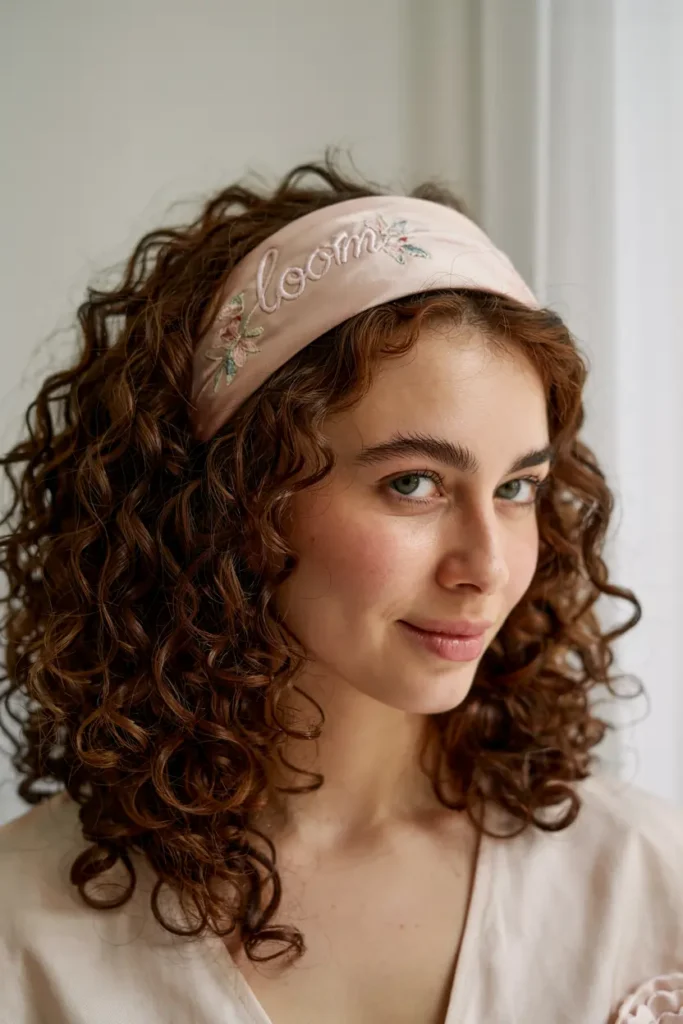
Curly hair and a hairband make a fun pair because the accessory helps keep the front sections neat while letting the curls show their natural shape. This works especially well for medium to long curly hair.
I would place the hairband gently behind the front curls instead of pressing them flat. Use a curl cream first, then let the curls dry naturally so they keep their bounce and shape.
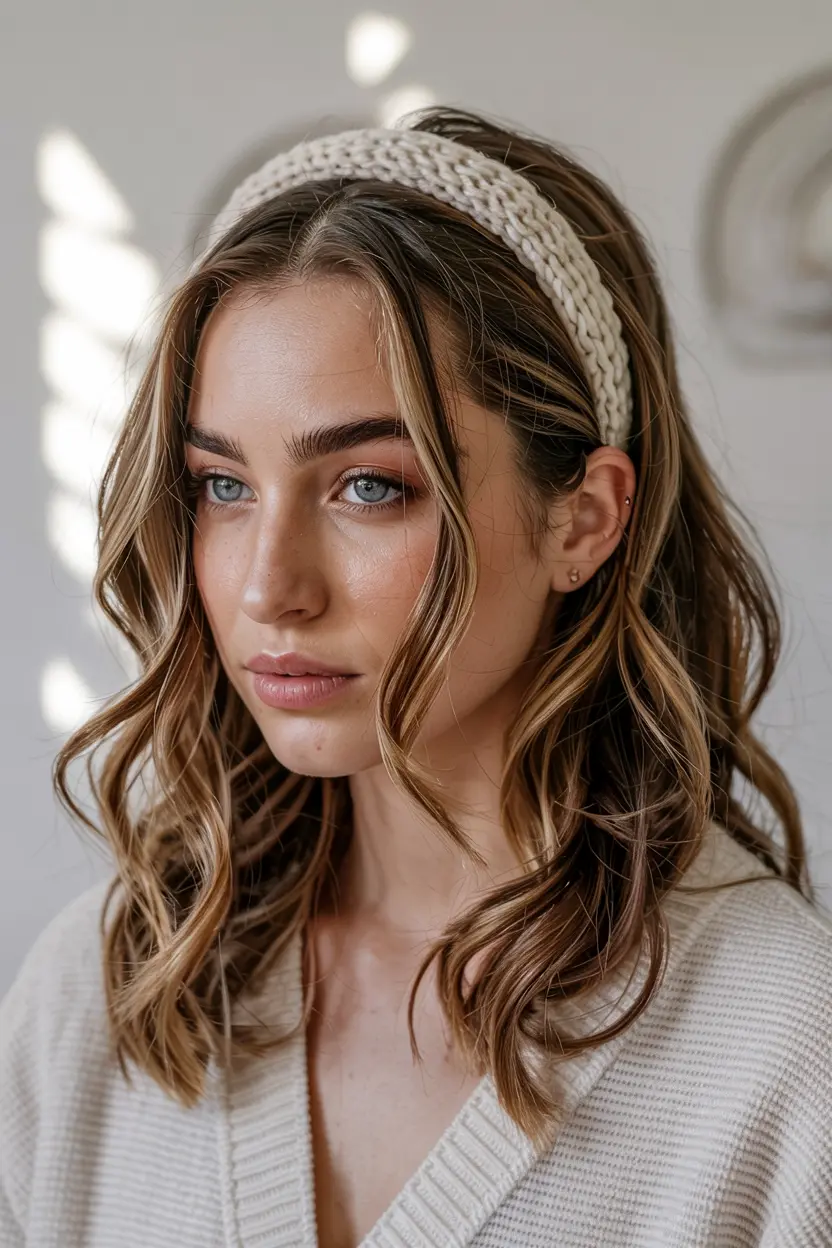
3. Wavy Hair with Hairband
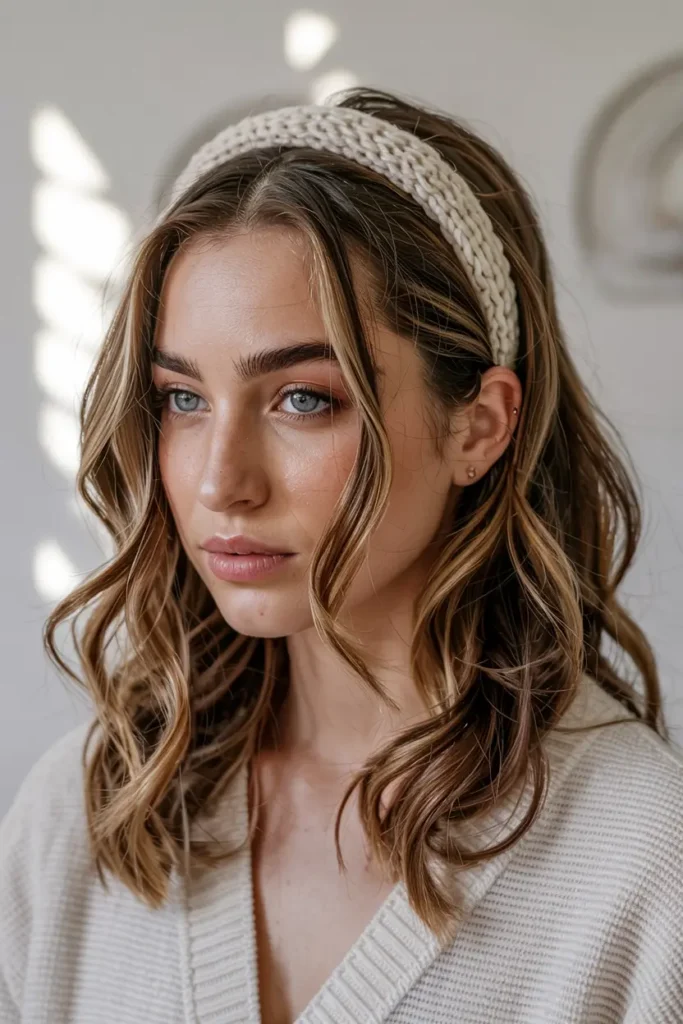
Wavy hair already has plenty of movement, and a hairband gives it an effortless finishing touch.
This look suits almost any face shape and works nicely for relaxed days, brunch, or quick outings.
If you enjoy simple hairstyles with cute accessories, check out these easy hairstyles for long hair.
These ideas can help you create fresh everyday looks and pair them with your favorite hairbands.
Keep the waves loose and natural, then slide the hairband into place near the top of the head. A fabric or satin band can make the style look softer and more put together.
4. Bob Haircut with Hairband
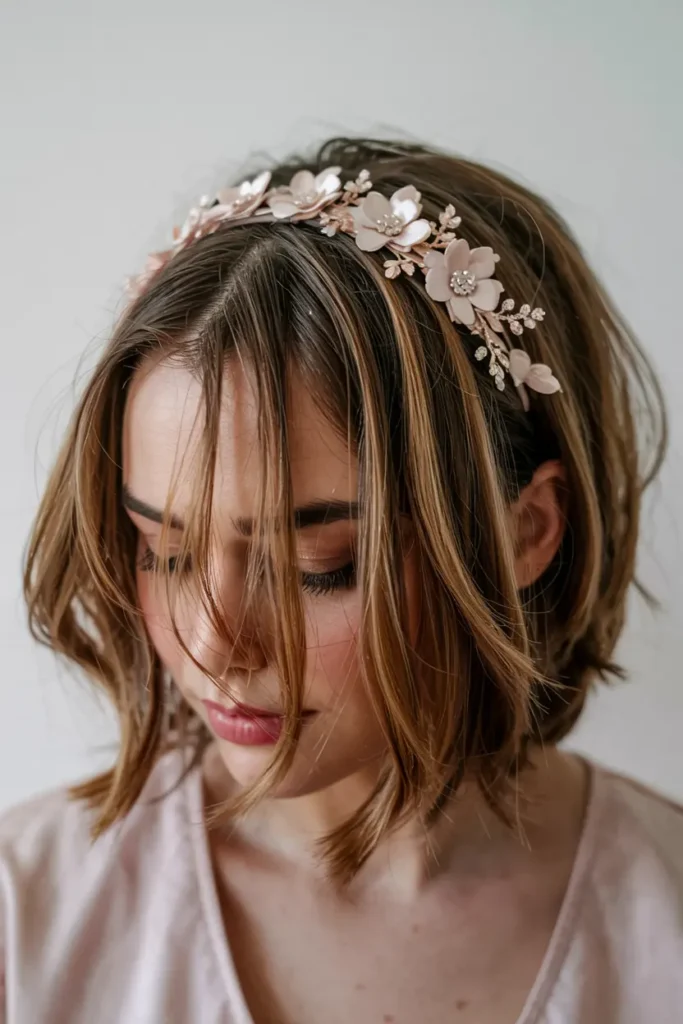
A bob haircut can look completely different with the right hairband. I like this combination because the short length keeps the style fresh while the accessory adds a playful detail.
Try a thin band with a sleek bob or a wider band with a textured bob. Keep the front smooth and tuck the hair behind your ears if you want a cleaner finish.
5. Long Hair with Hairband
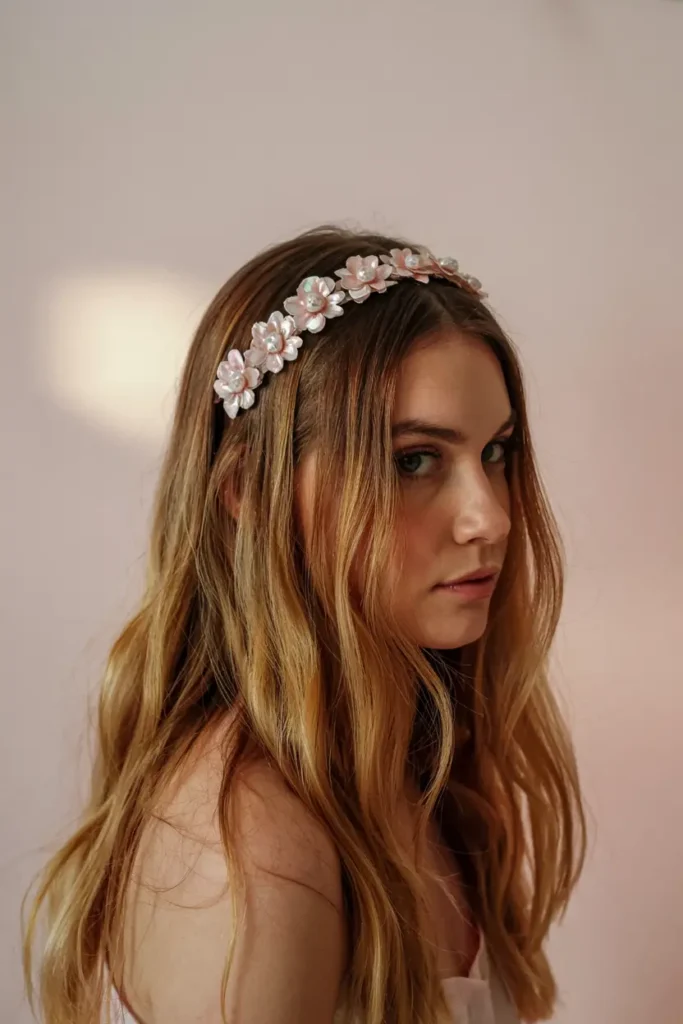
Long hair gives you plenty of room to play with different hairband styles. From loose waves to a simple ponytail, the accessory can add shape while keeping some hair away from your face.
For a soft everyday look, wear your long hair down and place the band a few inches behind the hairline. You can also add loose curls through the ends for extra movement.
6. Short Hair with Hairband
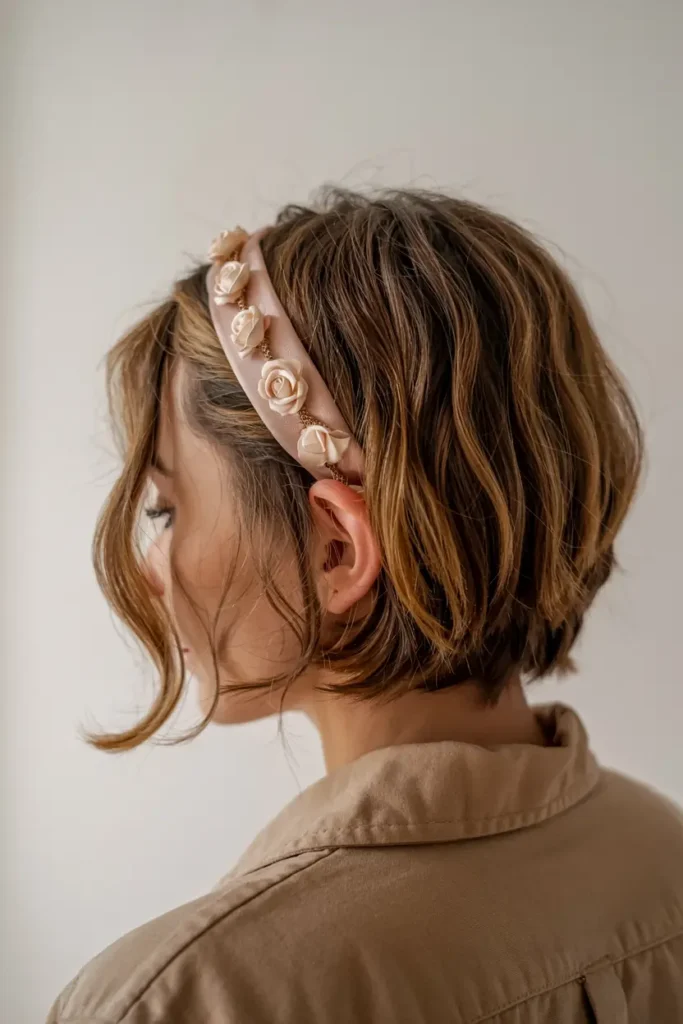
Short hair can look stylish with a hairband, even when there is not much length to work with. This is a simple choice for pixie cuts, short bobs, and other cropped styles.
I would choose a lightweight band that does not feel too tight. Place it near the front of the head and use a little texture spray to give the short layers more shape.
7. Hairband with Bangs
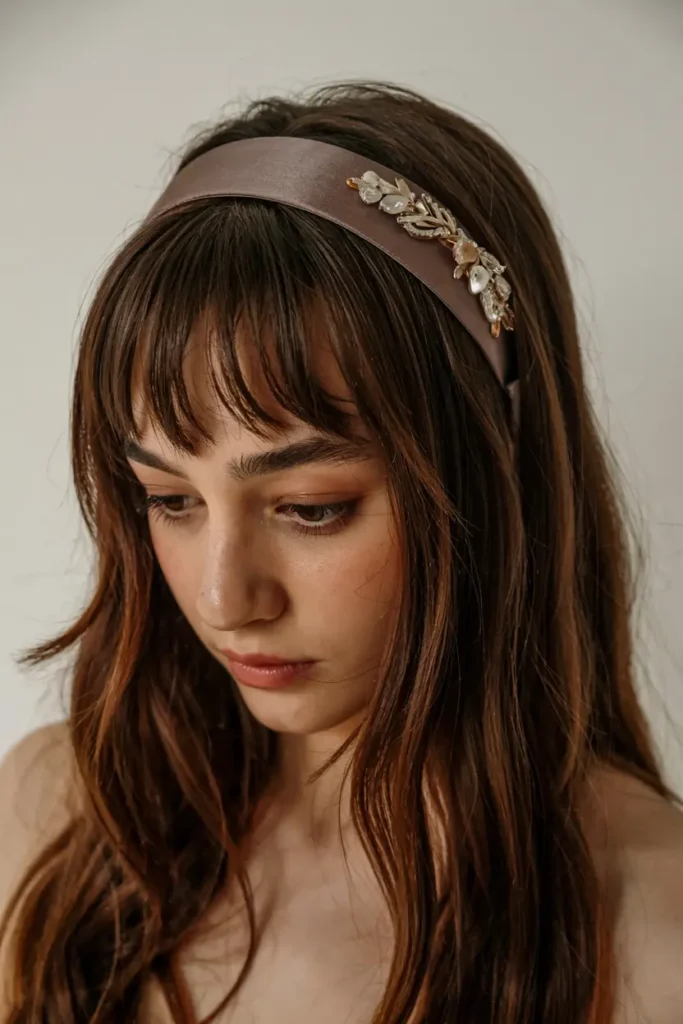
Bangs and a hairband create a cute combination that frames the face beautifully. This style works with curtain bangs, wispy bangs, blunt bangs, and side-swept fringe.
Leave the bangs outside the band so they keep their natural shape. Then place the hairband just behind them and gently adjust the front pieces until everything sits comfortably.
8. Layered Hair with Hairband
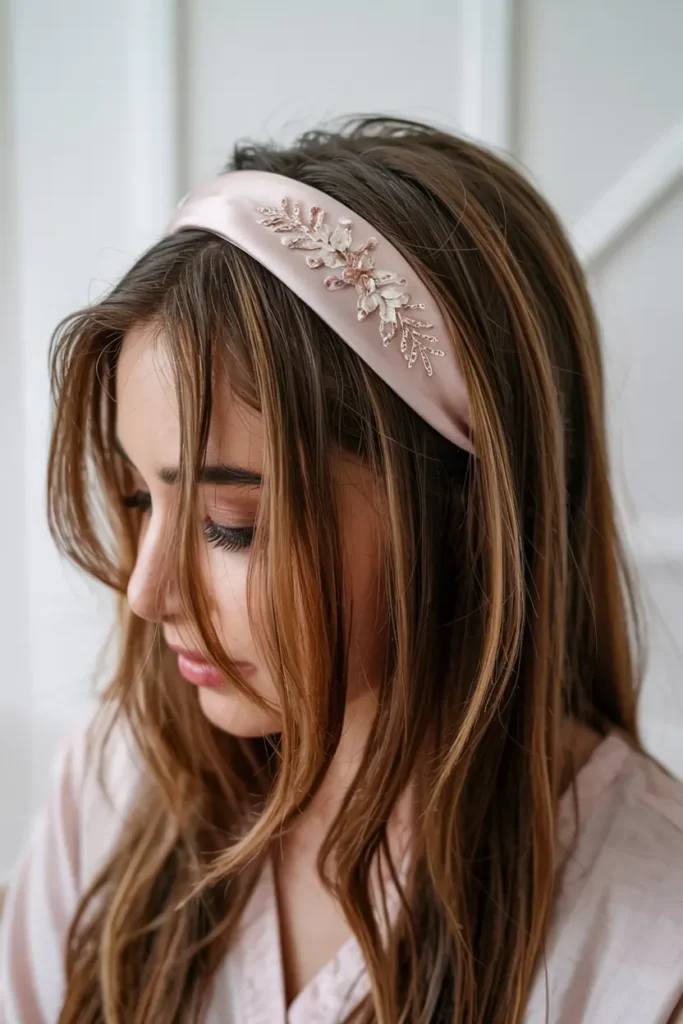
Layers can give a hairband hairstyle plenty of movement and volume. This option works well for medium and long hair because the different lengths create a soft, lively finish.
Style the layers with loose waves or keep them straight for a cleaner look. A padded or textured hairband can add extra detail without making the hairstyle feel too busy.
9. Thick Hair with Hairband
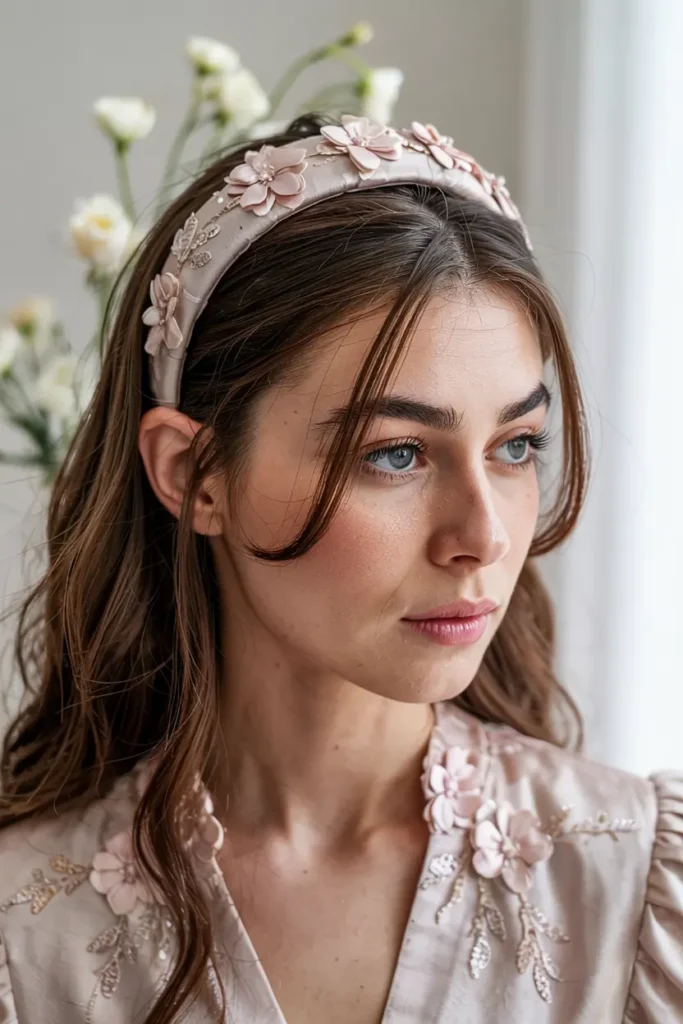
Thick hair can sometimes have a mind of its own, so a strong hairband can be a very useful little helper.
It keeps the front sections controlled while allowing the rest of the hair to keep its natural fullness.
Choose a wide, comfortable band that can hold your hair without slipping. I would smooth the top lightly and leave the lengths loose for a balanced finish.
10. Fine Hair with Hairband
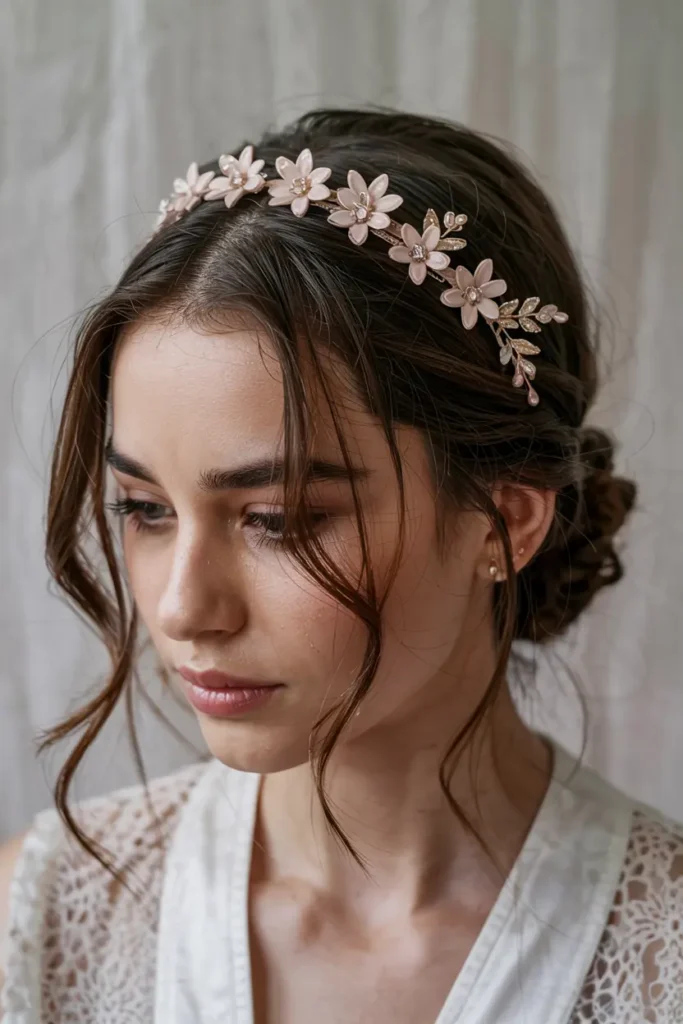
Fine hair can look fuller when you choose the right hairband and add a little texture first. This style works well when you want more shape without using lots of products.
Use dry shampoo or a light texturizing spray at the roots before placing the band. A padded hairband can also create the appearance of more volume around the top of the head.
11. Hairband with Low Ponytail
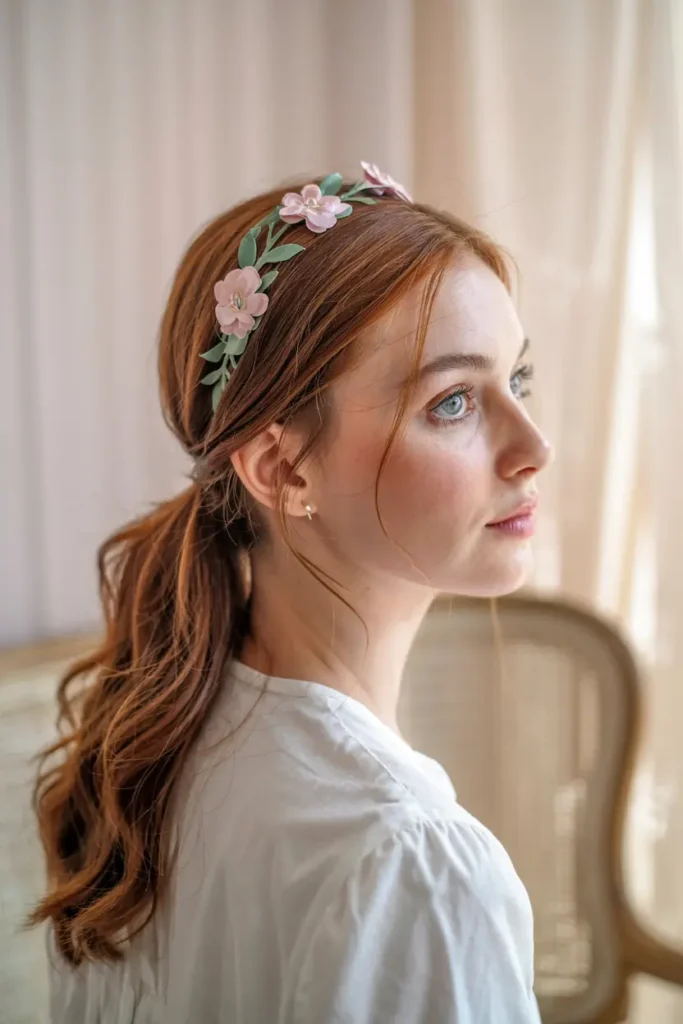
A low ponytail becomes much more stylish when paired with a simple hairband. It works well for work, school, errands, or days when you want your hair out of the way.
Place the hairband first, then gather the hair into a low ponytail at the back. Wrap a small section around the elastic to hide it and give the hairstyle a more finished look.
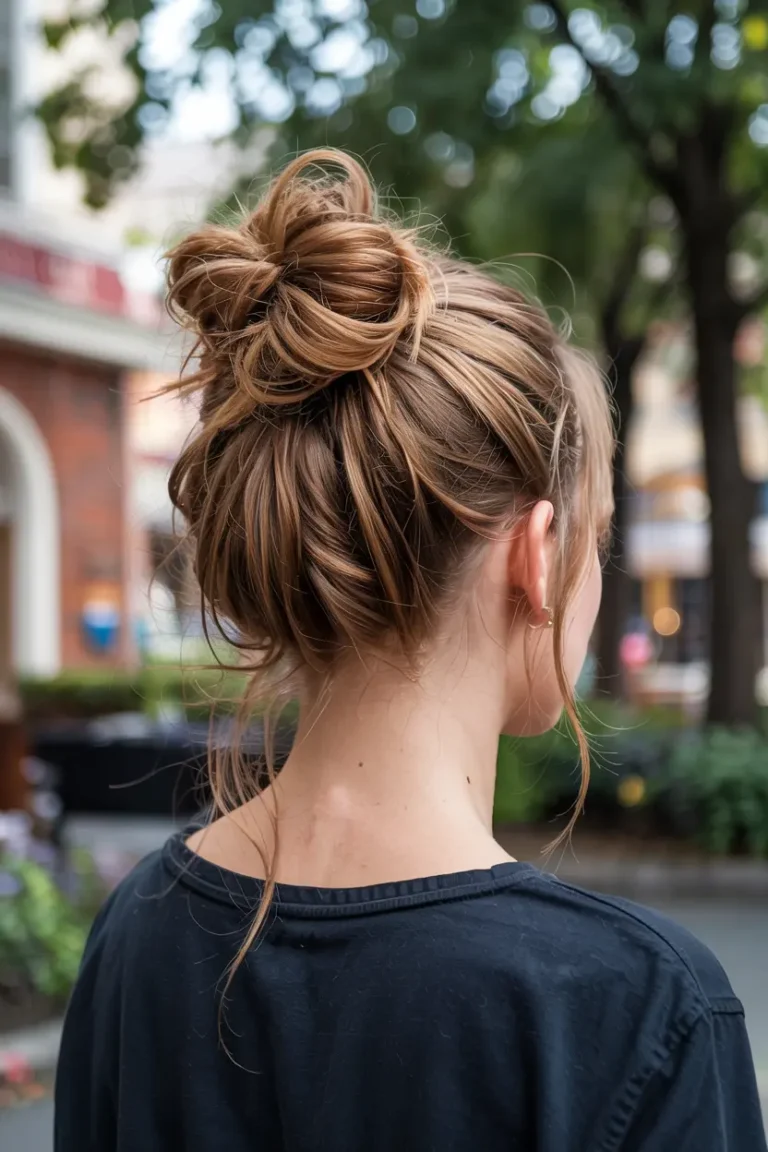
12. Hairband with High Bun
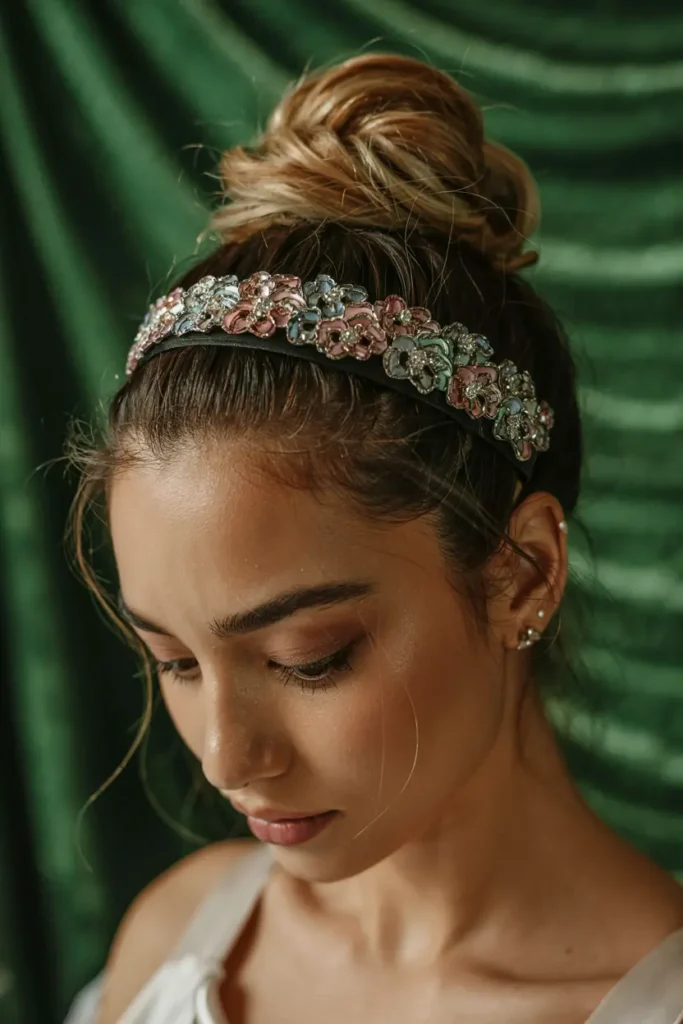
A high bun with a hairband creates a neat look while keeping the face open. I like it for warm days because the hair stays lifted and the accessory adds a stylish touch.
Pull the hair into a high ponytail and twist it into a bun. Place the hairband slightly behind the front hairline, then pull out a few small pieces if you want a softer finish.
13. Messy Hair with Hairband
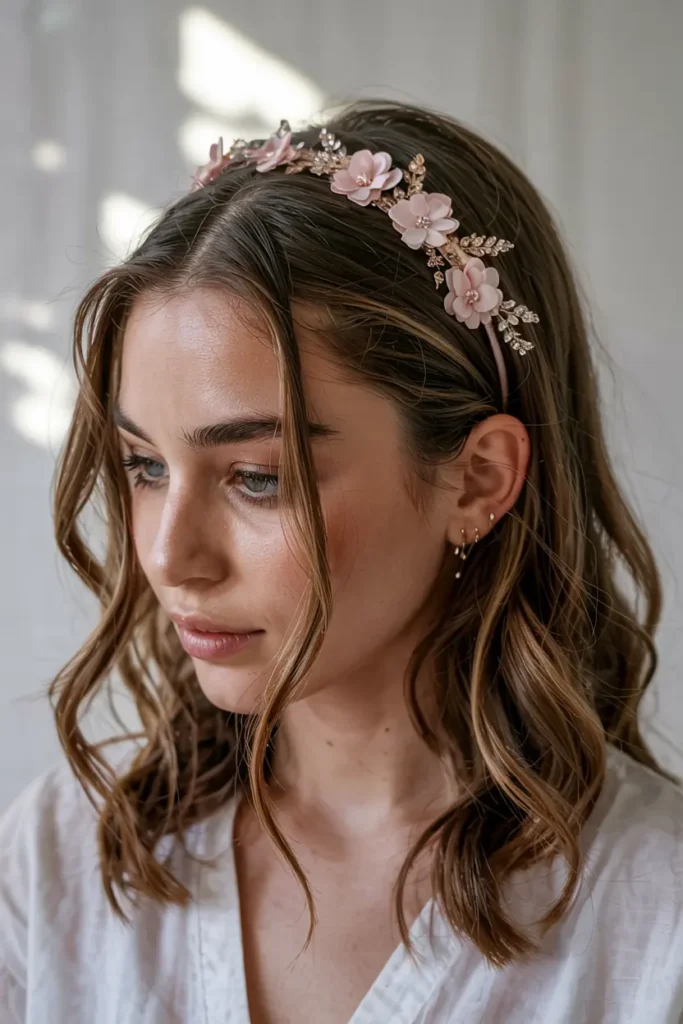
Messy hair does not always need fixing, sometimes it just needs a cute accessory. A hairband can turn loose, slightly untidy hair into an intentional casual style.
If you want to add more texture to your hairband hairstyle, braids can be a great choice.
You can try these braids hairstyle on natural hair ideas for simple braided looks that work with different hair types and lengths.
Let your natural texture show instead of trying to make every strand perfect. Add a fabric hairband and gently loosen a few pieces around the face for that relaxed finish.
14. Hairband with Side Part
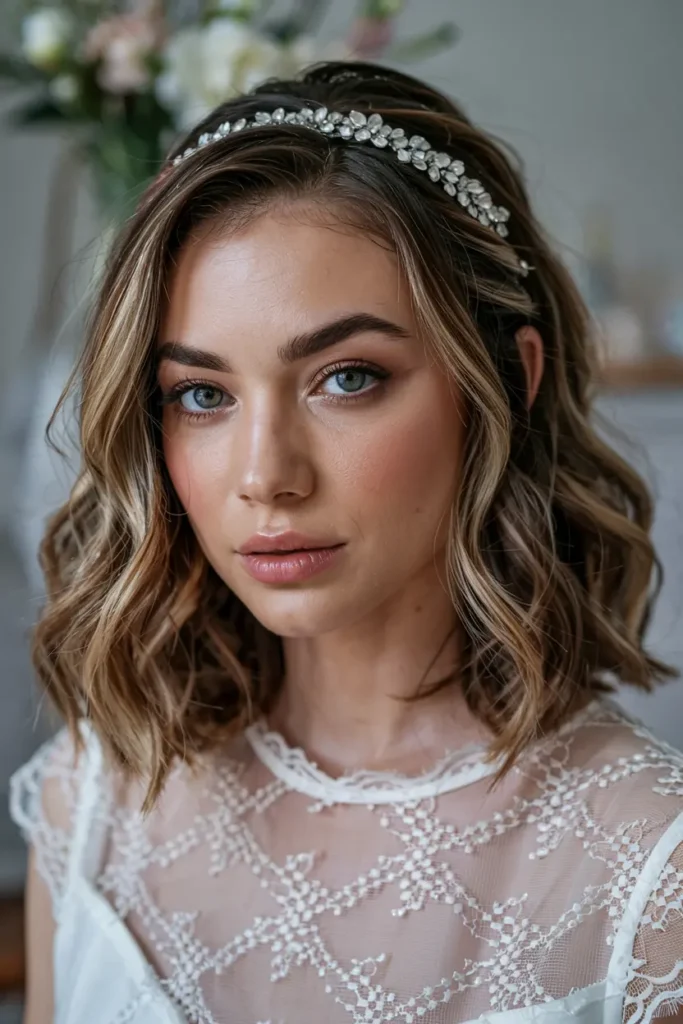
A side part gives a classic hairband hairstyle a little more shape and personality. It works beautifully with straight, wavy, or curly hair and can make the style feel slightly more polished.
Create a clean side part before placing the hairband behind the front section. I would keep one side tucked behind the ear for a neat look or leave both sides loose for more softness.
15. Hairband with Center Part
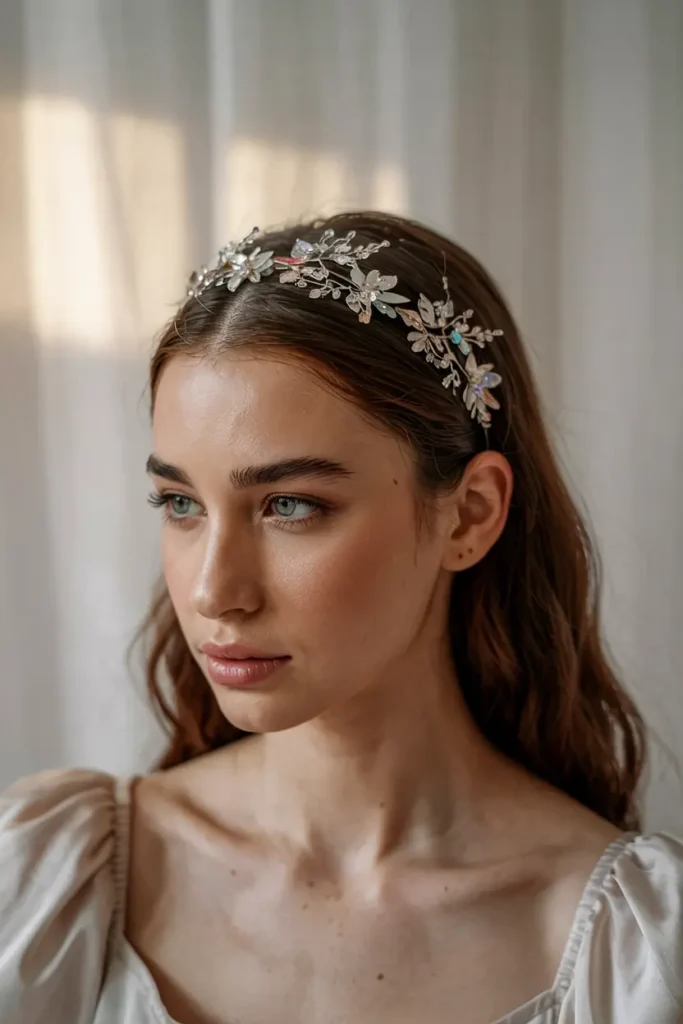
A center part gives the hair a balanced and modern appearance, while the hairband adds a simple finishing detail. This combination works especially well with straight hair and soft waves.
Part the hair evenly down the middle, then place the band a little behind the front sections. A satin or neutral-colored band can keep the look simple and stylish.
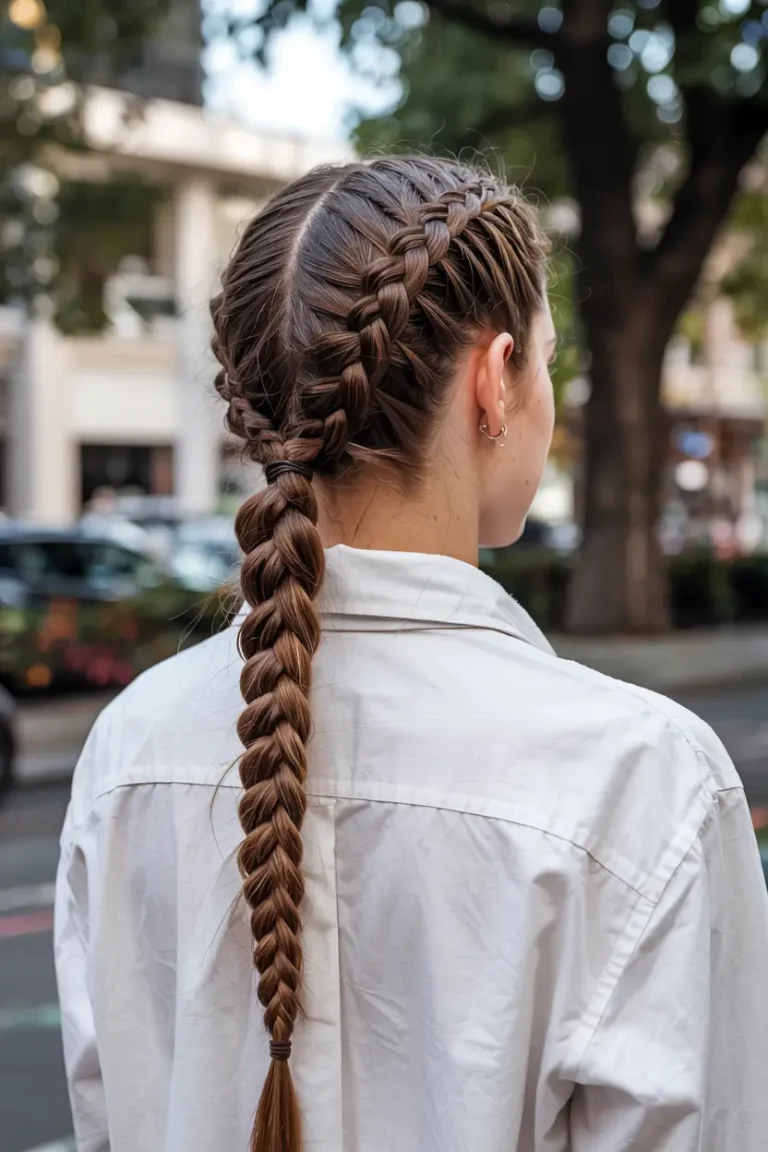
16. Braided Hair with Hairband
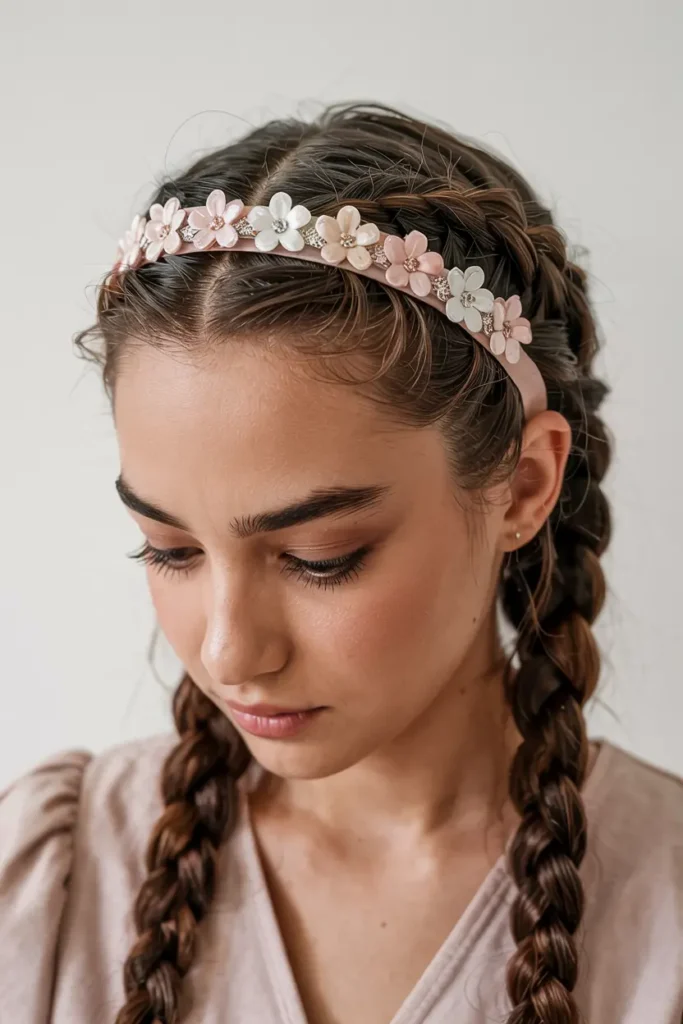
Braids and hairbands can work together without making the hairstyle feel too complicated. This look suits long and medium hair, especially when you want texture with a little extra detail.
Create one or two simple braids, then place the hairband near the front of the head. You can also leave some loose strands around the face to make the style feel softer.
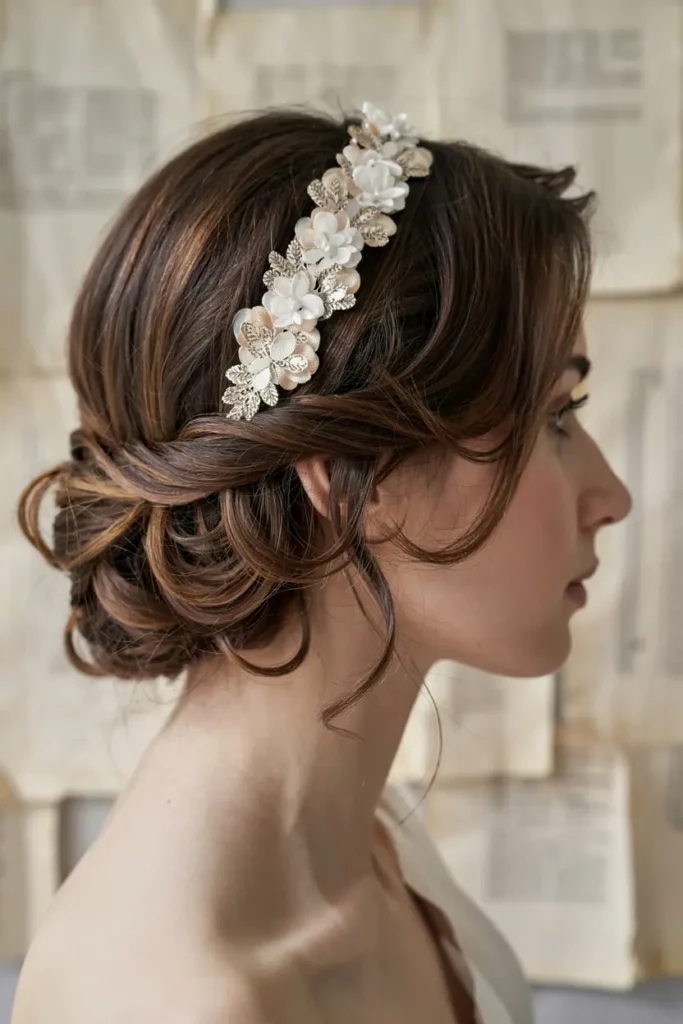
17. Updo with Hairband
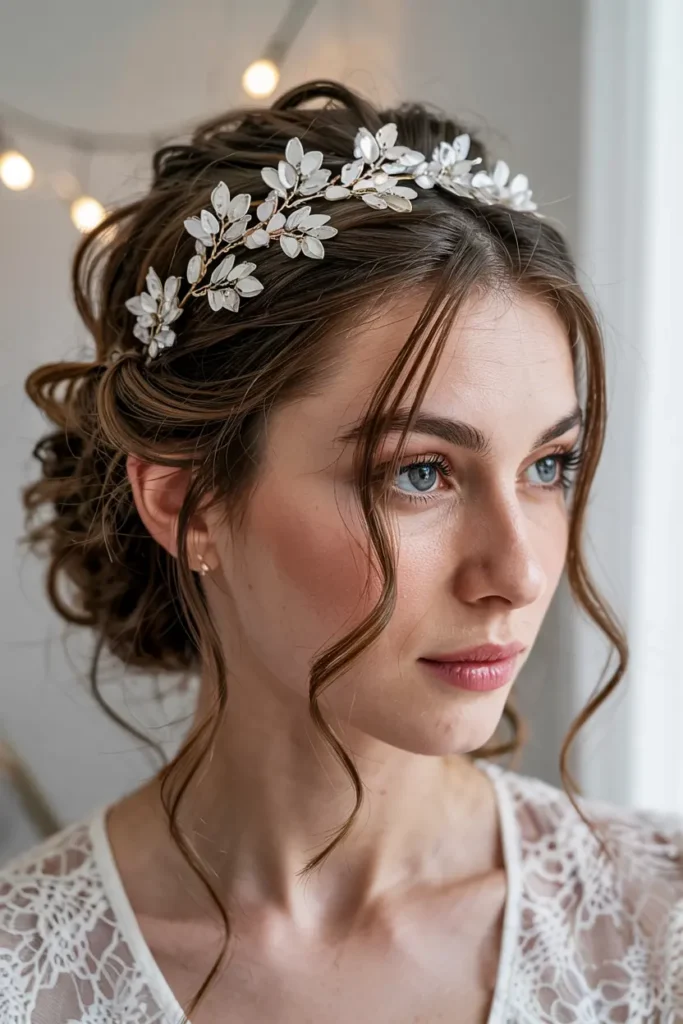
An updo already looks polished, but adding a hairband can give it a fresh and modern touch.
This works well for weddings, parties, dinners, or any event where you want your hair to look more dressed up.
Create a low bun or twisted updo first, then add the hairband near the front. Pearl, satin, or jeweled bands can make the hairstyle feel more special without needing many other accessories.
18. Puff Hairstyle with Hairband
A puff adds height at the crown, while the hairband helps frame the shape. This combination works particularly well when you want your hairstyle to look fuller and more noticeable.
Tease a small section at the crown and smooth the surface gently. Place the hairband behind the puff and secure it comfortably, then finish with light hairspray to help maintain the height.
19. Boho Hairband Look
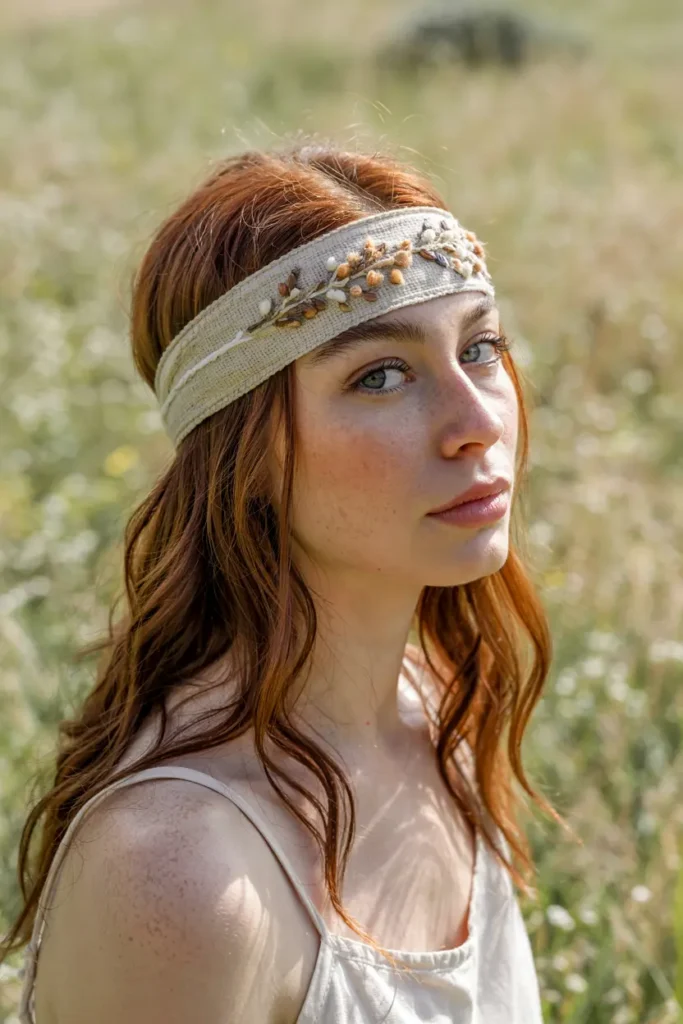
The boho hairband look has a relaxed, free-flowing feel that works beautifully with waves, braids, and natural texture.
I love this style for outdoor events, casual outfits, and days when you want something easy but pretty.
Choose a fabric, floral, woven, or patterned band and wear it with loose waves. Add a few tiny braids or natural-looking accessories if you want to give the hairstyle more character.
20. Sleek Hairband Look Hairstyle
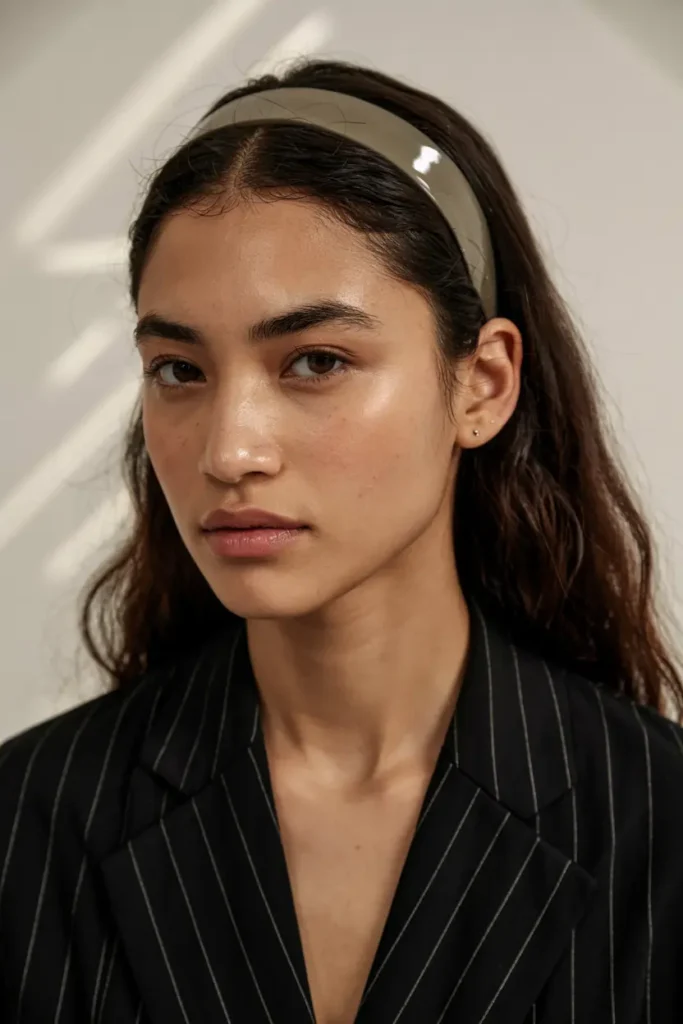
A sleek hairband look keeps everything smooth, simple, and polished. It works well with straight hair, low ponytails, and neat buns, making it a useful choice for work or more formal occasions.
Start by smoothing the hair with a brush and a small amount of styling cream. Place a simple hairband neatly behind the front section, then finish with a little shine serum for a clean, glossy appearance.
Different Types of Hairbands and How to Style Them
Hairbands come in a variety of materials, shapes, and designs, making them one of the most versatile accessories for everyday hairstyling. Choosing the right type can help you create anything from a simple casual look to an elegant hairstyle for a special occasion.
1. Padded Hairbands
Padded hairbands feature a raised design that adds structure and a stylish detail around the crown. They pair beautifully with straight hair, loose waves, and sleek ponytails.
For an everyday look, choose a neutral-colored padded hairband. For a more noticeable style, try a bold color that complements your outfit.
2. Satin Hairbands
Satin hairbands offer a smooth, elegant appearance that works well with both casual and dressy hairstyles. They are particularly attractive with low buns, soft waves, and straight hair.
Choose a satin band when you want a polished finish without adding too many accessories. Make sure it fits comfortably and does not pull at your hairline.
3. Pearl Hairbands
Pearl hairbands add a delicate decorative touch to simple hairstyles. They are suitable for parties, dinners, weddings, and other occasions when you want your hair accessory to stand out.
Pair a pearl hairband with a low chignon, soft curls, or a neat half-up hairstyle. Keep other accessories simple to maintain a balanced look.
4. Fabric Hairbands
Fabric hairbands are practical for everyday use and come in a wide range of colors, prints, and textures. They work well with ponytails, braids, loose hair, and relaxed buns.
Floral and printed designs can add personality to casual outfits, while solid colors create a more understated appearance.
5. Thin and Minimalist Hairbands
Thin hairbands offer a simple way to keep front sections away from the face without making the accessory the main focus.
They work particularly well with short hair, sleek bobs, middle parts, and straight hairstyles. Choose a design that complements your hair color for a subtle finish.
How to Wear a Hairband Without Discomfort
A hairband should complement your hairstyle while remaining comfortable throughout the day. The right fit and placement can make a noticeable difference in how your hair looks and feels.
Choose the Right Fit
Select a hairband that sits securely without pressing too tightly against your head. A band that feels uncomfortable after a few minutes may be too small, too rigid, or unsuitable for extended wear.
Position the Hairband Correctly
For a classic look, place the band slightly behind your hairline. If you have bangs, leave them outside the band and arrange them naturally. With a center or side part, adjust the front sections before positioning the accessory.
Prevent Slipping
If your hair is very smooth or fine, some hairbands may slide backward during the day. Try placing the band on dry hair, selecting a design with a suitable grip, or securing it discreetly with bobby pins.
Avoid choosing a band that is excessively tight just to keep it in place.
Keep Your Natural Texture
When wearing a hairband with curly or wavy hair, avoid pressing down the front sections more than necessary. Gently arrange your curls around the accessory to maintain their natural shape and volume.
Best Hairband Styles for Different Occasions
One of the best things about hairbands is how easily they can be adapted to different settings. Changing the material, color, or hairstyle can create a completely different look with minimal effort.
Hairbands for Everyday Wear
For shopping, casual outings, and relaxed days at home, choose lightweight fabric bands or simple thin hairbands. Wear them with loose hair, natural waves, or a low ponytail for a comfortable and effortless appearance.
Hairbands for Work and the Office
Neutral-colored satin bands and minimalist designs work well for professional settings. Pair them with straight hair, a sleek low ponytail, or a neat bun to create a polished look without excessive styling.
Hairbands for School and University
Printed fabric bands and simple padded styles can add personality to everyday outfits. Combine them with braids, ponytails, or loose hair for a practical style that does not require much preparation.
Hairbands for Parties
For evening events, consider pearl, jeweled, or decorative padded hairbands. These accessories pair nicely with soft curls, half-up hairstyles, and elegant low buns.
Choose one main decorative accessory so the overall look remains balanced.
Hairbands for Weddings and Special Events
Satin, pearl, and delicate jeweled hairbands can complement formal hairstyles for weddings and celebrations. Pair them with a chignon, twisted updo, or softly styled waves.
Consider your outfit, the event’s formality, and the size of the accessory when choosing the final look.
How to Style a Hairband Step by Step
Creating a beautiful hairband hairstyle does not require complicated techniques. Following a few simple steps can help you achieve a neat finish that suits your hair type and personal style.
Step 1: Prepare Your Hair
Gently detangle your hair with a suitable brush or comb. If you prefer a textured look, leave your natural waves in place. For a sleek finish, smooth the hair lightly before adding the accessory.
Step 2: Choose the Right Hairband
Select a band that suits your hairstyle, hair thickness, and the occasion. Thin bands are ideal for minimalist looks, while padded and decorative styles create a more noticeable finish.
Step 3: Create Your Preferred Hairstyle
Decide whether you want to wear your hair loose, in a ponytail, in a braid, or in a bun. You can also leave the hair down and use the band simply to keep the front sections away from your face.
Step 4: Position the Hairband
Place the hairband comfortably behind the hairline. Adjust the front sections and bangs so they sit naturally around the accessory. Check that the band feels secure without creating pressure.
Step 5: Finish the Look
Smooth any unwanted flyaways with a small amount of suitable styling product. If necessary, use discreet bobby pins to help hold the band in place. Avoid using excessive product, especially near the roots.
Common Hairband Styling Mistakes to Avoid
Although hairbands are easy to use, a few small styling mistakes can affect the final appearance and comfort of your hairstyle.
Choosing the Wrong Size
A hairband that is too tight may cause discomfort, while one that is too loose may slide out of position. Choose a design that fits securely without putting unnecessary pressure on your head.
Covering Bangs Incorrectly
Placing the band over bangs without arranging them first can make the hairstyle look untidy. If you have curtain, wispy, or side-swept bangs, position the accessory behind the fringe and adjust the front sections gently.
Using an Accessory That Does Not Suit the Hairstyle
A heavily decorated hairband may compete with an already detailed updo, while a very thin band may get lost in thick hair. Consider the hairstyle’s volume and complexity before choosing an accessory.
Ignoring Comfort During Long Wear
A hairband that feels fine initially may become uncomfortable after several hours. Adjust or remove it if it causes pressure, pain, or irritation, and avoid forcing a tight accessory to stay in place.
Overusing Styling Products
Too much styling cream or serum can make hair slippery, which may cause some hairbands to move out of position. Start with a small amount of product and add more only when needed.
Final Tips for Choosing the Perfect Hairband
The best hairband is one that complements your hairstyle, suits the occasion, and feels comfortable to wear. Consider these simple guidelines before making your choice:
- Choose thin hairbands for minimalist hairstyles and short hair.
- Try padded designs when you want a more noticeable accessory.
- Select fabric or satin bands for versatile everyday styling.
- Save pearl and jeweled designs for parties and special events.
- Consider your hair texture and thickness when choosing the fit.
- Coordinate the color with your outfit for a more cohesive appearance.
With the right hairband and a few simple styling techniques, you can transform loose hair, ponytails, braids, and buns into attractive everyday looks without spending too much time in front of the mirror.
How to Choose the Right Hairband for Your Hair Type
Choosing the right hairband can make your hairstyle look better and feel more comfortable. Consider your hair length, thickness, and the occasion before picking an accessory.
- Fine hair: Try a lightweight or padded hairband to add a fuller look.
- Thick hair: Choose a strong, comfortable band that stays in place.
- Curly hair: Use a smooth or fabric-covered band that does not flatten your curls.
- Short hair: Try slim bands or decorative styles for a simple finishing touch.
- Special occasions: Choose pearl, satin, floral, or jeweled hairbands to make your look feel more elegant.
Frequenrly Asked Questions
1. Which hairband hairstyle is best for everyday wear?
Loose hair with a simple hairband, a low ponytail, and a messy bun are easy choices for everyday wear.
2. Can I wear a hairband with short hair?
Yes, hairbands look lovely with pixie cuts, short bobs, and other short hairstyles. Choose a comfortable band that suits your hair length.
3. Which hairband is best for thick hair?
A wider, sturdy hairband with a comfortable grip can help manage thick hair without putting too much pressure on your head.
4. How can I stop my hairband from slipping?
Choose a band that fits properly, avoid placing it on very slippery hair, and use a few discreet hairpins if needed.
5. Are hairband hairstyles suitable for parties?
Yes, you can wear pearl, satin, jeweled, or floral hairbands with curls, buns, braids, and sleek hairstyles for parties and special events.
Final Thoughts
Hairband hairstyles offer an easy way to make everyday hair look fresh, pretty, and stylish.
From straight hair and loose waves to ponytails, buns, and braids, there is an option for almost every hair type and occasion.
Choose a hairband that feels comfortable, complements your outfit, and helps you express your personal style.